
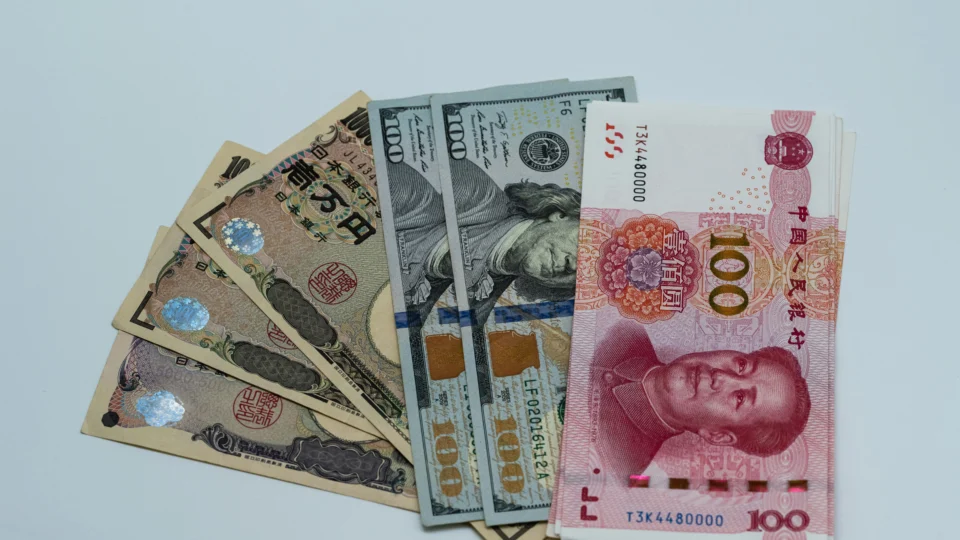
In an era where digital currencies like Bitcoin are reshaping monetary landscapes, traditional fiat powers are not standing still. Imagine a world where the U.S. dollar’s unchallenged reign faces a formidable rival from the East—China’s yuan stepping up as a global heavyweight. This scenario is drawing closer as Chinese President Xi Jinping outlines ambitious strategies to transform the yuan into a “powerful” currency with reserve status.
Xi Jinping's Strategic Vision for the Yuan
Chinese President Xi Jinping has publicly revealed detailed plans aimed at strengthening the yuan’s position on the world stage. His vision focuses on enhancing the currency’s role in international trade, investment, and reserves, positioning it as a viable alternative to the dominant U.S. dollar. This initiative underscores China’s long-term economic diplomacy, emphasizing stability, innovation, and global integration.
Key Elements of the Yuan Internationalization Drive
Xi’s blueprint includes several core components to bolster the yuan’s global appeal:
- Expanding Cross-Border Usage: Efforts to increase the yuan’s adoption in international transactions, particularly through bilateral trade agreements and digital payment systems.
- Reserve Currency Ambitions: Strategies to encourage central banks worldwide to hold more yuan in their reserves, reducing reliance on the dollar.
- Financial Reforms: Domestic policy adjustments to make the yuan more convertible and attractive to foreign investors, including improvements in capital account openness.
These measures are part of a broader push to integrate the yuan into global financial systems, with historical context rooted in China’s economic rise since the early 2000s. While specific timelines or quantitative targets remain unclear from available details (flagged as uncertain due to limited disclosure), the emphasis is on sustainable growth amid geopolitical tensions.
Implications for International Currency Dynamics
The potential elevation of the yuan carries significant ramifications for global economics, including ripple effects on cryptocurrencies like Bitcoin. As the yuan gains traction, it could diversify reserve holdings away from the dollar, fostering a multipolar currency environment. This shift might accelerate interest in decentralized assets as hedges against fiat volatility.
- Rivalry with the Dollar: The yuan’s rise challenges the U.S. dollar’s longstanding stronghold, potentially leading to more balanced trade dynamics but also heightening U.S.-China frictions.
- Impact on Emerging Markets: Countries in Asia and Africa, key partners in China’s Belt and Road Initiative, may increasingly settle deals in yuan, influencing regional economic stability.
- Societal and Market Effects: Enhanced yuan power could stabilize China’s export-driven economy, benefiting over 1.4 billion citizens, though uncertainties persist around implementation amid global inflation pressures.
No direct quotes from Xi were detailed in the reviewed materials, but his statements highlight the yuan’s role in “shaping international currency dynamics.” Analysts note this could indirectly boost Bitcoin’s appeal in regions seeking alternatives to both dollar and yuan dominance, though exact market predictions are speculative without further data. As the yuan’s global footprint expands, what could this mean for the future of Bitcoin and the broader crypto ecosystem? Investors may need to monitor how these fiat evolutions influence digital asset adoption and volatility in the coming years.
Fact Check
- Chinese President Xi Jinping has outlined plans to make the yuan a more powerful currency with aspirations for reserve status.
- The strategy aims to rival the U.S. dollar’s dominance in international finance and trade.
- Focus includes promoting yuan use in cross-border payments and encouraging global reserve holdings.
- This vision ties into China’s ongoing economic reforms to enhance currency convertibility.
- Publication details confirm the announcement’s relevance as of early February 2026.