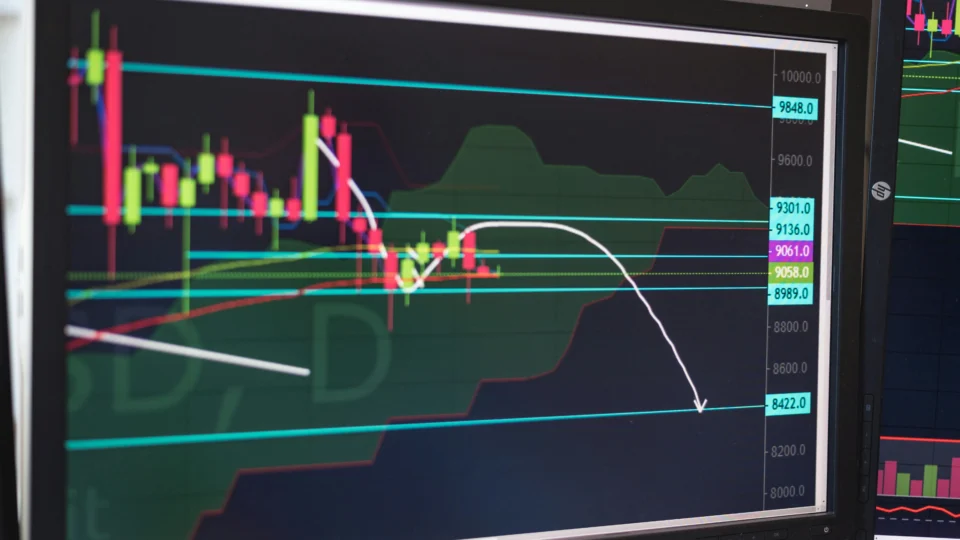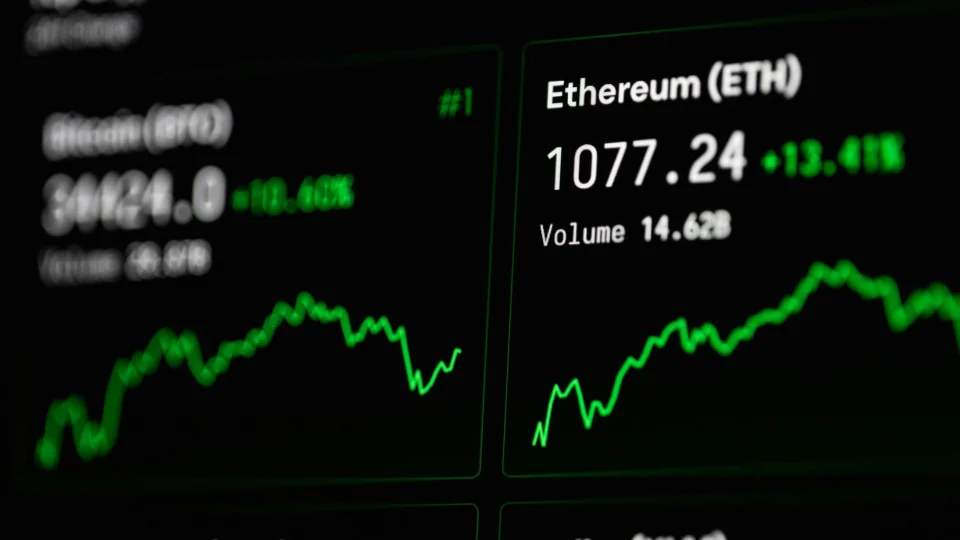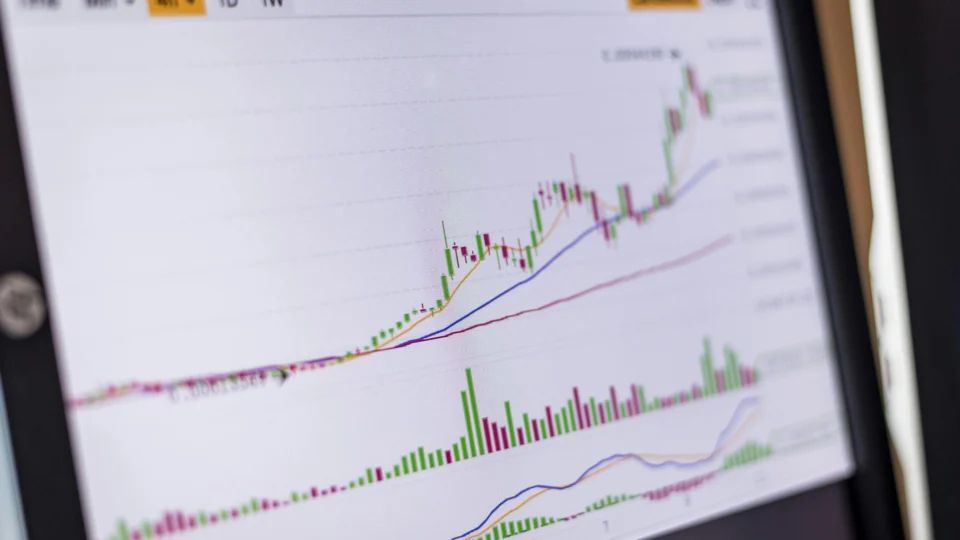

Bitcoin’s Sharpe ratio has sunk into deeply negative territory, signaling that the cryptocurrency’s returns are no longer compensating for its heightened volatility—a pattern reminiscent of prolonged bear markets in 2018-2019 and the post-2022 collapse. This metric, widely used by fund managers to evaluate whether an investment’s gains justify its risks compared to low-volatility benchmarks like U.S. Treasury bills, highlights a market where sharp price swings and lackluster rebounds have eroded profitability. As of January 23, 2026, Bitcoin trades just above $90,000, down from record highs exceeding $120,000 in early October, amid ongoing intraday volatility that continues to pressure risk-adjusted performance.
Sharpe Ratio Signals Oversold Conditions, But Recovery Not Guaranteed
The Sharpe ratio for Bitcoin has turned negative, according to data from CryptoQuant, indicating poor risk-adjusted returns where volatility outpaces gains. This comes as the cryptocurrency has pulled back sharply from its peaks, with prices hovering near $90,000 after a week marked by unusual see-saw volatility.
- Bitcoin’s negative Sharpe ratio reached levels last seen during major drawdowns in 2018-2019 and following the 2022 market collapse, when leverage failures and forced selling prolonged the bear market.
- A negative reading suggests high volatility with weak or negative returns, which can persist even after prices stabilize, as seen in late 2018 when the metric stayed depressed for months amid depressed prices.
- Historically, meaningful trend shifts in Bitcoin have aligned more with a sustained recovery of the Sharpe ratio back into positive territory than with its initial drop below zero.
CryptoQuant analyst Phil Broder, in a blog post, noted: “The Sharpe Ratio doesn’t call bottoms with precision. But it shows when risk-reward has reset to levels that historically precede major moves. We’re oversold. The kind that breeds opportunity—lower risk for long-term positioning, not because price can’t go lower, but because the risk-adjusted setup favors it.”
Historical Parallels and Current Market Context
This isn’t the first time Bitcoin’s Sharpe ratio has flashed warning signs. In late 2018, the metric remained negative for months as prices languished in bear market lows. A similar pattern unfolded in 2022, with the ratio staying depressed throughout a prolonged downturn triggered by leverage unwinding and forced liquidations. In both cases, the condition lingered well after initial price drops, underscoring that negative Sharpe readings reflect ongoing market stress rather than an immediate reversal. Currently, Bitcoin’s environment mirrors these periods: elevated volatility without commensurate returns, even as the asset trades off recent highs. Traders on social media have interpreted the latest negative print as a potential bottom signal, suggesting a new bull run could emerge soon. However, the metric primarily reveals the present state—weak risk-reward dynamics—rather than predicting future performance. A sustained move toward positive territory would indicate improving conditions, where gains begin outpacing swings, often preceding renewed uptrends. No immediate bullish signals are evident. Bitcoin remains under pressure, underperforming against gold, bonds, and global tech stocks, with no clear catalysts for a rebound amid broader market uncertainty.
Societal Impact: Implications for Investors and Market Stability
The plunge in Bitcoin’s Sharpe ratio underscores broader challenges in cryptocurrency markets, where high volatility can deter institutional adoption and amplify retail investor risks. In a landscape where traditional assets like equities and bonds offer more stable returns, Bitcoin’s negative risk-adjusted performance highlights its role as a high-beta play on risk sentiment, potentially exacerbating wealth inequality if retail traders bear the brunt of prolonged drawdowns. On a positive note, oversold conditions could attract value-seeking investors, fostering innovation in risk management tools like derivatives for hedging. Regulators may view this as a reminder of crypto’s speculative nature, possibly prompting calls for enhanced investor protections without stifling growth. Fact Check
- Bitcoin’s Sharpe ratio has fallen into negative territory, matching levels from the 2018-2019 bear market and post-2022 collapse, per CryptoQuant data.
- The metric indicates poor risk-adjusted performance, with high volatility and weak returns persisting even after price stabilization, as seen historically.
- Bitcoin currently trades around $90,000, down from over $120,000 highs in early October 2025, amid uneven rebounds and intraday swings.
- Negative Sharpe ratios in past cycles lasted months, not signaling immediate bottoms but rather ongoing market stress.
- No renewed bullishness is observed; Bitcoin underperforms traditional assets like gold and bonds in volatile conditions.
How do you see prolonged negative risk-adjusted returns impacting investor confidence in Bitcoin and the broader crypto ecosystem?